
How to Lower Your FPL Bill This Summer
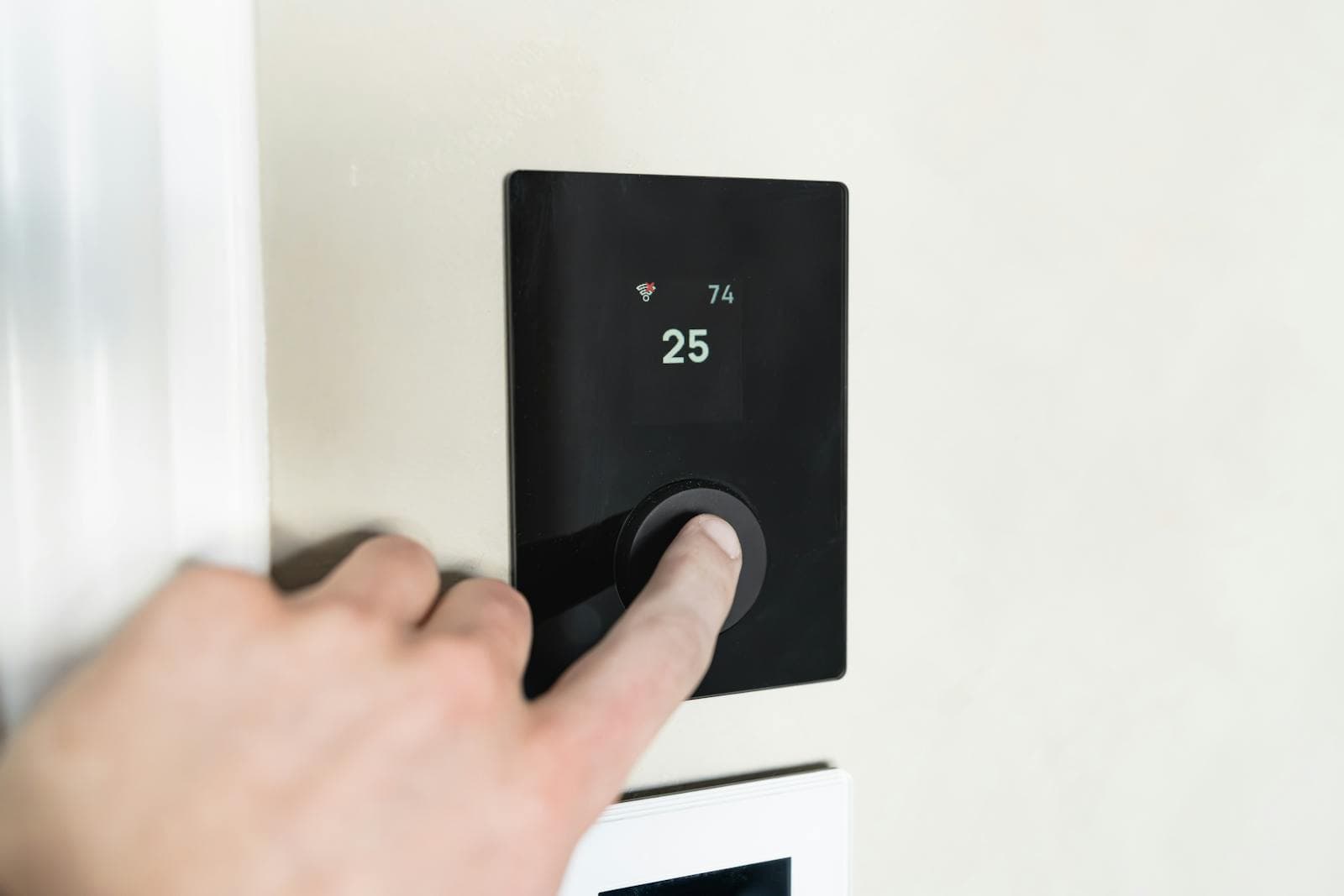
In a South Florida summer, your AC is one of the biggest drivers of your FPL bill. You do not have to live in a hot house to use less energy, but you do need the system to run efficiently. The best savings usually come from thermostat discipline, clean airflow, humidity control, and catching maintenance problems before the unit runs longer than it should.
Set the thermostat with a plan
Pick a temperature you can live with and avoid constant up-and-down changes. Many homeowners are comfortable around 76 to 78 degrees when the system is removing humidity properly. If you leave for several hours, raising the setting a few degrees can help. Avoid shutting the AC off completely during hot, humid days because the system may have to run for hours to pull the home back down, and indoor humidity can climb quickly.
A smart thermostat helps because it can follow a schedule, reduce cooling when the house is empty, and recover before you return. It also makes it easier to see patterns instead of guessing.
For households with changing schedules, geofencing and app control can be more useful than a fixed program. If someone comes home early, you can lower the setting before they arrive. If everyone is away longer than expected, you can avoid cooling an empty house as aggressively. The goal is not constant adjustment; it is letting the thermostat manage the routine without wasting runtime.
Do not starve the system for air
Airflow problems make an AC work harder. Replace filters regularly, keep return grilles clear, and do not close a large number of supply vents to force air into other rooms. That can increase pressure in the duct system and reduce efficiency. If one room is always hot, the answer may be duct balancing, insulation, a return air issue, or equipment sizing rather than closing vents.
Keep heat out before it becomes cooling load
- Close blinds or shades during the strongest afternoon sun.
- Use bathroom and kitchen exhaust fans briefly, then turn them off.
- Seal obvious gaps around doors, attic hatches, and old windows.
- Run ceiling fans only in occupied rooms to improve comfort.
- Keep the outdoor condenser clear of plants, debris, and grass clippings.
Maintenance affects the bill
A dirty coil, weak capacitor, low refrigerant charge, clogged filter, or slow blower can make the system run longer for the same result. In Broward County, that extra runtime adds up fast because the cooling season is so long. Twice-a-year maintenance is not just about preventing breakdowns. It helps the system move heat and moisture efficiently.
Know when equipment is the problem
If your bill rises while your habits stay the same, the AC may be losing efficiency. Older systems, leaky ducts, and poorly sized units can waste power even when they technically still cool. If the home feels humid at 74 degrees, lowering the thermostat may hide the problem while increasing the bill. A technician can check temperature split, duct leakage signs, coil condition, refrigerant performance, and thermostat operation.
It is also worth comparing usage, not just the dollar amount. Utility rates, billing cycles, guests, laundry, cooking, and pool equipment can all affect the bill. If kilowatt-hour usage is climbing during similar weather, the AC deserves a closer look. Long runtimes, short cycling, or a condenser that struggles in the afternoon are all clues that efficiency has slipped.
If you want better control over summer cooling costs, our smart thermostat installation service can help you schedule cooling around real use and avoid waste. Book online or call (954) 662-5472.