
Can My HOA or Condo Association Deny My AC Replacement?
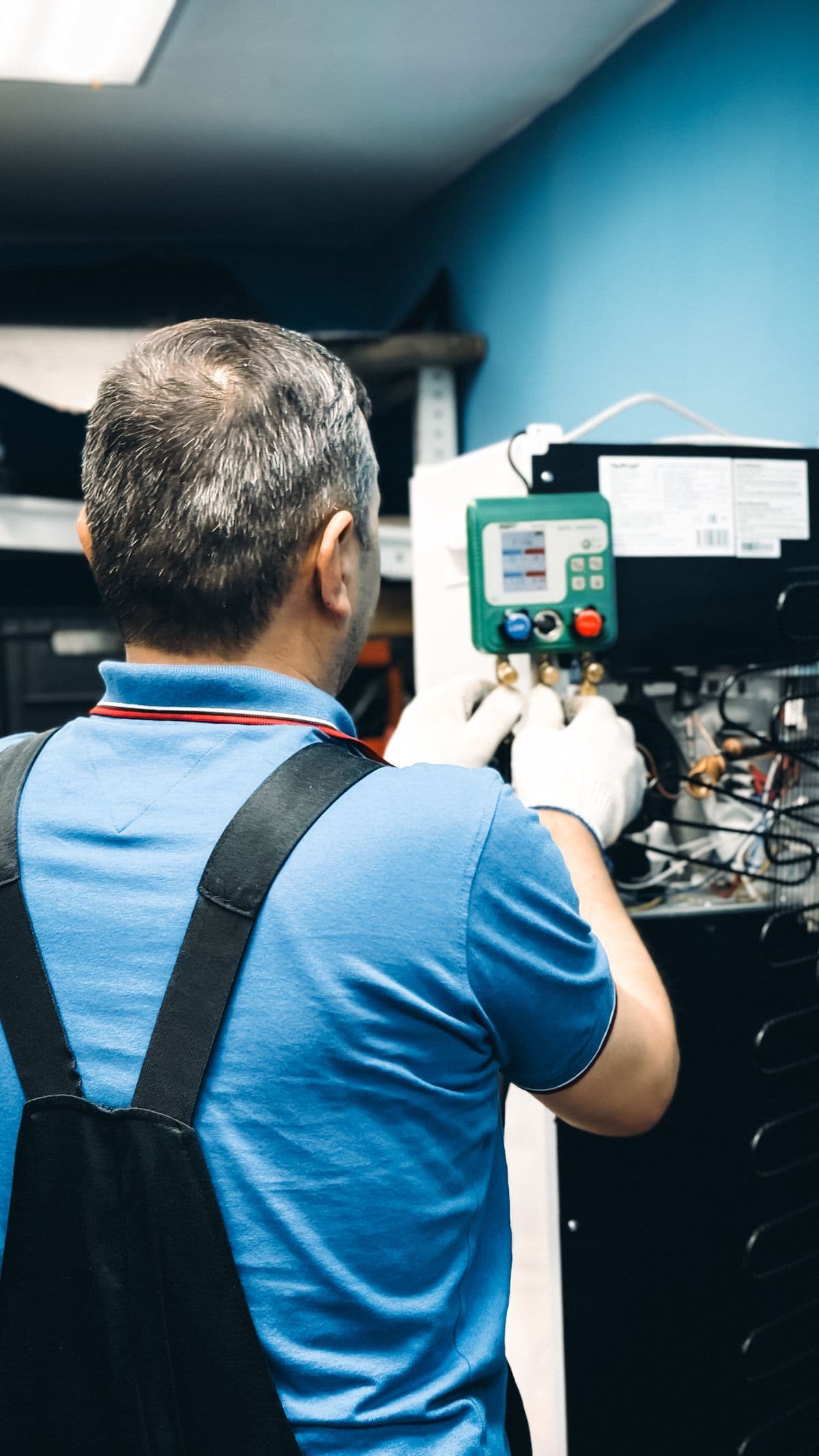
An HOA or condo association usually cannot stop you from having working air conditioning, but it can set reasonable rules for how an AC replacement is done. In South Florida, this comes up often in condos, townhomes, and gated communities where outdoor condensers, roof stands, hurricane tie-downs, line sets, electrical work, noise, and appearance are controlled by community documents.
What associations can usually control
Most associations have authority through declarations, bylaws, architectural rules, or condo documents. They may require advance approval before equipment is replaced. They may also require the new condenser to match a certain location, meet noise limits, sit on an approved pad or stand, use proper hurricane anchoring, or be installed by a licensed and insured contractor.
In condos, the association may control common elements such as roofs, exterior walls, chases, balconies, and mechanical closets. That means a simple equipment changeout can involve building management, an architectural committee, or an engineering review, especially in high-rise buildings near the coast.
The key is to separate permission from design preference. An association may have a legitimate process for protecting shared property and maintaining building standards. That process should still be applied in a reasonable way, with clear requirements and a path to approval. Owners should read their documents and get written instructions instead of relying on hallway advice.
What associations should not do
An association should not push owners toward unpermitted work, unsafe installation, or equipment that violates code. Florida AC replacements still need to meet the Florida Building Code, local municipal requirements, and current efficiency standards. A city or county permit may be required even if the association gives written approval. Association approval and government permitting are separate steps.
If your system has failed during a Broward summer, tell the association it is a habitability and property-protection issue. High indoor humidity can damage finishes, flooring, cabinets, and personal property. In a condo, leaks or drain failures can also affect neighbors below you.
How to avoid delays
- Ask management for the AC replacement application before your system fails.
- Confirm equipment location, allowed work hours, insurance requirements, and access rules.
- Get model numbers, dimensions, and sound ratings from the contractor.
- Clarify whether roof access, elevator reservations, or security check-in are needed.
- Make sure the contractor handles the permit process for your municipality.
Permits still matter
Broward municipalities take AC changeouts seriously because electrical connections, condensate drainage, wind resistance, and refrigerant work all matter. Skipping permits can create insurance, warranty, and resale problems. If an association asks for documentation, a proper contractor should be able to provide license, insurance, proposal details, equipment specs, and permit information.
Timing is especially important in condo buildings. Some properties limit noisy work, require advance elevator reservations, or allow roof access only when building staff is present. If the old system is failing but still running, start the approval process early. Waiting until the compressor dies can leave you with both an uncomfortable unit and an administrative delay.
If there is a disagreement, keep the conversation documented and focused on specifics: model size, location, sound rating, code compliance, contractor credentials, and permit status. Vague objections are harder to resolve than a written list of requirements. For legal disputes, homeowners should speak with a Florida attorney, but most replacements are solved with organized paperwork and clear coordination.
If your HOA or condo association needs paperwork, our AC installation team can help coordinate the replacement, permitting, and equipment documentation. Book an estimate or call (954) 662-5472.